Nonna Font: Cozy Handmade Script for Crafters
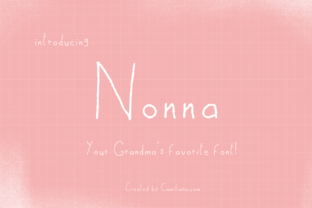
There is a distinct warmth that only a truly authentic handwritten typeface can bring to a physical product. As makers and small business owners, we constantly search for design assets that bridge the gap between professional polish and personal touch. Nonna is exactly that kind of premium font. Described as your grandma’s favorite font, this script amp typeface captures a cozy, handmade feel that resonates deeply with customers looking for authenticity in an increasingly digital marketplace. For those of us creating labels, invitations, signage, and printable art, Nonna offers a visual personality that feels inherited rather than manufactured.
Elevating Physical Products with Authentic Typography
The primary challenge in product design is establishing trust through aesthetics. When a customer picks up a candle, a bar of soap, or a greeting card, the typography communicates quality before they ever read the details. Nonna excels here because its letterforms mimic the natural variance of human handwriting without sacrificing legibility. This makes it an ideal display font for boutique packaging where the goal is to evoke nostalgia and comfort.
For candle makers and home fragrance brands, using Nonna on jar labels creates an immediate association with homemade care. The soft curves and organic flow suggest that the product was poured by hand, not mass-produced in a factory. Similarly, for bakery boxes or tea packaging, this creative font reinforces the artisanal nature of the contents. It transforms a simple ingredient list into a story. Unlike rigid modern typography, Nonna allows your brand identity to breathe, making your merchandise feel like a gift from a loved one rather than a transaction.
Practical Applications for Cutting Machines and Signage
Crafters using Cricut or Silhouette machines know that not all script fonts are created equal. Some look beautiful on screen but fail when cut from vinyl or cardstock due to thin lines or disconnected letters. Nonna is designed with practical fabrication in mind. Its stroke weight is substantial enough to weed easily, yet delicate enough to maintain its elegant charm. This balance is crucial for creating durable decals, car window stickers, and wooden signs.
When designing farmhouse-style welcome boards or wedding signage, readability at a distance is paramount. Nonna functions beautifully as a headline or name treatment because the characters are distinct and well-spaced. For wedding stationery specifically, this handwritten font adds a layer of intimacy to welcome signs, seating charts, and table numbers. It pairs the formality required for a wedding with the welcoming atmosphere hosts want to create. When cutting this font for acrylic or wood, always test a small section first to ensure your blade depth preserves the integrity of the finer swashes.
Designing Printables and Digital Downloads
The market for digital planners, wall art, and invitation templates relies heavily on trending typography. Nonna serves as a versatile anchor for these digital products. In printable wall art, particularly quotes or nursery decor, the font’s cozy aesthetic appeals to buyers decorating spaces meant for relaxation and family. It avoids the sterile look of standard sans serif fonts while remaining cleaner than chaotic grunge scripts.
For template creators selling on platforms like Etsy or Creative Market, including Nonna in your designs increases perceived value. Buyers are often looking for that specific "grandmacore" or cottagecore aesthetic that is currently dominating social media graphics and home decor trends. Using this typeface in your mockups helps potential customers visualize the final emotional impact of the product. Whether you are designing a 2024 planner cover or a set of editable birthday invitations, Nonna provides the stylistic hook that stops the scroll.
Mastering Font Pairings for Commercial Projects
While Nonna is a stunning standalone choice for short phrases and names, effective commercial design often requires pairing. Because Nonna has so much character and texture, it demands a supportive partner that provides contrast and structure. The golden rule for pairing this expressive script is to choose simplicity.
- Clean Sans Serif: Pair Nonna with a geometric or minimalist sans serif font for body text. This combination works exceptionally well for product labels where the product name is in Nonna and the scent or weight is in the sans serif. The contrast highlights the script’s beauty while ensuring critical information is instantly readable.
- Classic Serif: For a more traditional or vintage look, combine Nonna with a high-contrast serif font. This pairing is perfect for wedding invitations, book covers, or heritage brand logos. The serif grounds the design, lending authority to the whimsy of the script.
- All Caps Support: Avoid pairing Nonna with another decorative script. Instead, use a bold, uppercase-only display font for secondary headlines. This creates a hierarchy that guides the eye naturally from the functional text to the emotional focal point provided by Nonna.
Technical Considerations and Licensing for Sellers
Before integrating any new typeface into your production workflow, understanding the technical specifications and legal rights is essential. Nonna likely includes OpenType features that significantly expand its utility. Check the font file for alternate characters, ligatures, and swashes. These extras allow you to customize the look of specific words, preventing repetition in longer phrases and adding unique flourishes to logo designs. Accessing these alternates in software like Illustrator, Canva, or even specialized cutting machine software can transform a standard wordmark into a custom piece of lettering.
Equally important is verifying the commercial license. As sellers of physical goods, templates, and digital downloads, we must ensure our tools are cleared for business use. Review the licensing terms for Nonna specifically regarding:
- Physical Product Sales: Confirm that you can use the font on items intended for sale, such as mugs, shirts, tote bags, and stickers, without purchasing an extended license.
- Digital End Products: If you sell editable templates or SVG files, verify whether the font must be flattened or outlined. Most licenses prohibit distributing the raw font file, so understanding how to embed or rasterize Nonna legally protects both you and the type designer.
- Client Work: If you are a freelance designer creating branding packages, check if the license covers client deliverables or if each end-user requires their own license.
Incorporating Nonna into your creative toolkit is about more than just adding another script amp to your library; it is about adopting a visual language that speaks to heritage, comfort, and human connection. Whether you are weeding vinyl for a custom tumbler, laying out a digital planner, or branding a new line of artisanal jams, this font brings a tangible sense of history to modern making. By respecting its readability limits, pairing it thoughtfully, and adhering to licensing best practices, Nonna can become a cornerstone of your shop’s aesthetic, helping your handmade creations find their way into the homes and hearts of customers who value the cozy over the corporate.